
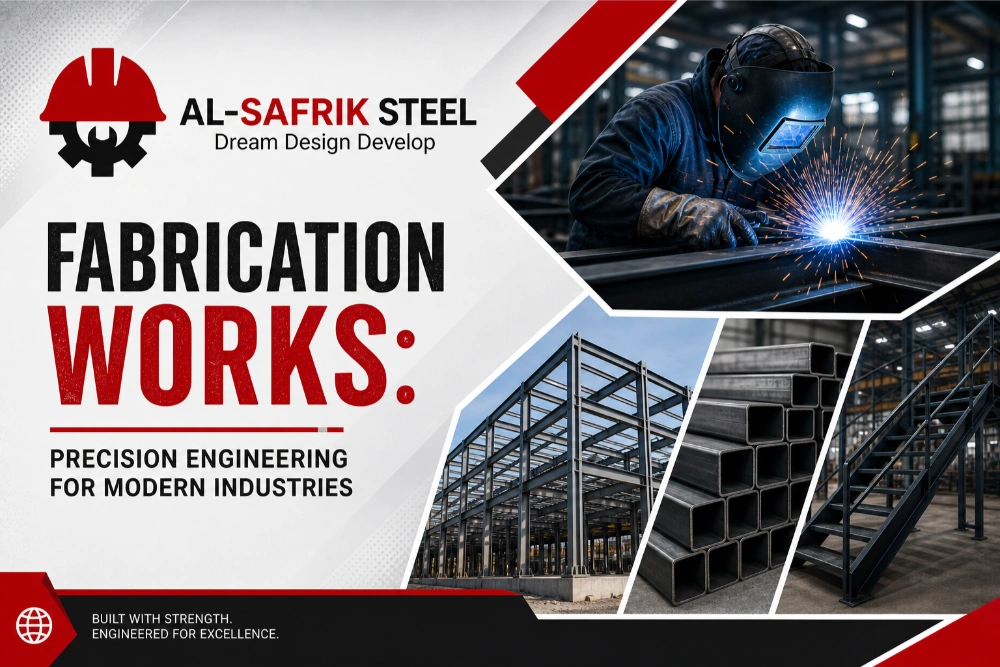
We live in an era where things are evolving very fast. At the industrial site, precision, durability, and efficiency are no longer optional, but they are essential. From towering infrastructure projects to intricate industrial machinery, fabrication works form the backbone of modern development. Across Saudi Arabia, where large-scale construction, energy, and industrial expansion continue at a rapid pace, the demand for high-quality fabrication solutions has never been greater.
These works combine engineering expertise, skilled craftsmanship, and advanced technology to transform raw materials into functional, reliable structures and components. Whether it is steel frameworks, customized metal parts, or complex industrial assemblies, fabrication plays a crucial role in ensuring projects meet safety standards, performance expectations, and long-term sustainability goals.
Understanding Fabrication Works in Modern Industry
It refers to the process of cutting, shaping, assembling, and finishing raw materials or metal into finished products or structures. Engineering drawings and technical specifications guide these processes to ensure accuracy and consistency. In modern industries, fabrication is not limited to basic manufacturing. It involves precision engineering of Metal Fabrication, where even the smallest measurement matters. Industrial sectors such as construction, oil and gas, manufacturing, power generation, and transportation rely heavily on fabrication to create components that can withstand demanding environments and heavy loads.
In Saudi Arabia, fabrication has become a cornerstone of industrial development, supporting mega projects, refineries, industrial plants, and infrastructure initiatives that require world-class quality and reliability.
The Role of Precision Engineering in Fabrication
Precision engineering is at the heart of effective fabrication works. It focuses on achieving exact measurements, tight tolerances, and flawless alignment to ensure every component fits perfectly within a larger system. Precision matters because even a minor error can compromise structural integrity, safety, or operational efficiency. Advanced fabrication facilities use modern tools such as CNC machines, laser cutting, and automated welding systems to achieve consistent results. Skilled engineers and technicians oversee each stage, ensuring that design intent is accurately translated into the final product.
This level of precision is fundamental in industries such as oil and gas, where fabricated components must withstand extreme temperatures, high pressure, and corrosive environments without failing.
Key Materials Used in Fabrication Works
Material selection plays a critical role in the success of fabrication tasks. Different industries require different properties, such as strength, corrosion resistance, flexibility, or heat tolerance. Steel remains the most widely used material due to its durability, versatility, and cost-effectiveness. Structural steel is commonly used in buildings, bridges, and industrial frameworks. Stainless steel is preferred for applications requiring corrosion resistance, such as food processing plants, chemical facilities, and marine environments.
Other materials used in fabrication include aluminum for lightweight structures, copper for electrical applications, and specialized alloys for high-performance industrial needs. Choosing the right material ensures longevity, safety, and optimal performance of the fabricated product.
Fabrication Works in the Construction Sector
The construction industry is among the largest beneficiaries of fabrication. From structural beams and columns to staircases, handrails, and façade elements, fabricated components are essential for both functionality and aesthetics. In Saudi Arabia’s construction sector, fabrication supports large commercial buildings, residential developments, industrial warehouses, and infrastructure projects. Prefabricated steel components allow for faster installation, improved quality control, and reduced on-site labor requirements.
Fabrication tasks also enable architects and engineers to create innovative designs that combine strength with visual appeal, meeting modern architectural standards while ensuring safety and compliance.
Industrial Fabrication for Oil, Gas, and Energy
Saudi Arabia’s oil, gas, and energy sectors rely heavily on advanced fabrication works. These industries require custom-designed components, including pressure vessels, pipelines, storage tanks, platforms, and support structures. Fabrication for these sectors must meet strict international standards due to the high-risk nature of operations. Precision engineering ensures that components can withstand harsh conditions, including high pressure, extreme temperatures, and exposure to corrosive substances.
Quality fabrication reduces maintenance needs, minimizes downtime, and enhances overall operational safety, making it a critical investment for energy-related industries.
The Fabrication Process: From Design to Delivery
Fabrications follow a structured process to ensure efficiency and accuracy. It typically begins with design and engineering, where detailed drawings and specifications are created. These designs consider load requirements, environmental factors, and functional needs.
Next comes material preparation, where raw materials are cut and shaped using advanced machinery. Welding and assembly follow, bringing individual components together into complete structures. Skilled welders and inspectors ensure joints are strong and compliant with standards.
The final stages include surface treatment, such as painting or galvanizing, to protect against corrosion, followed by quality inspection and testing. Once approved, the fabricated products are delivered and installed at the project site.
Importance of Quality Control in Fabrication Works
Quality control is a vital aspect of the fabrication process, ensuring that every component meets required standards and specifications. Inspections are conducted at multiple stages, from material selection to final assembly. Non-destructive testing methods such as ultrasonic testing, radiography, and visual inspections are often used to detect defects without damaging the product. Strict quality control minimizes risks, enhances safety, and ensures long-term reliability.
In large-scale projects, consistent quality also helps maintain timelines and budgets by reducing the need for rework or replacements.
Customization and Flexibility in Fabrication
One of the most significant advantages of the fabrication process is customization. Unlike mass-produced components, fabricated products can be tailored to specific project requirements. Customization allows industries to optimize space, performance, and efficiency. Whether it is a unique structural design or a specialized industrial component, fabrication offers flexibility that standard manufacturing cannot match.
This adaptability is especially valuable in Saudi Arabia, where projects often involve unique environmental and operational challenges that require bespoke engineering solutions.
Fabrication Works and Economic Growth in Saudi Arabia
It contributes significantly to economic development by supporting local industries, creating skilled employment, and reducing reliance on imported components. As Saudi Arabia continues to invest in industrial diversification and infrastructure, fabrication plays a key role in achieving these goals. Local fabrication capabilities enable faster project execution and improved cost control. They also support knowledge transfer and skill development within the workforce, strengthening the overall industrial ecosystem.
Companies such as Al Safrik Steel have contributed to this growth by delivering reliable fabrication solutions that align with international standards while supporting local industrial needs.
Safety Standards and Compliance in Fabrication
Security is non-negotiable in fabrication works. Fabricated structures and components must comply with local and international safety codes to protect workers, operators, and end-users. Compliance involves adhering to welding standards, material specifications, load requirements, and inspection protocols. Fabrication facilities also prioritize workplace safety through proper training, equipment maintenance, and safety procedures. High safety standards not only protect lives but also enhance project credibility and long-term performance.
Technological Advancements Shaping Fabrication Works
The advancement of technology continues to transform fabrication, making processes faster, more accurate, and more efficient. Automation, robotics, and digital design tools are increasingly integrated into fabrication facilities. Computer-aided design (CAD) and building information modeling (BIM) allow for precise planning and coordination, reducing errors and improving collaboration. Advanced machinery ensures consistent quality while reducing material waste.
These technological advancements position fabrication as a forward-looking industry capable of supporting future industrial demands.
Sustainability and Fabrications
By adopting sustainable practices, steel fabrication contributes to environmentally responsible industrial development. It becomes a priority across industries, and fabrications are no exception. Efficient material use, scrap metal recycling, and energy-efficient processes help reduce environmental impact. Steel, being highly recyclable, supports sustainable construction and industrial practices. Fabrication also enables the creation of durable structures with long service lives, reducing the need for frequent replacements.
Choosing the Right Fabrication Partner
Selecting the right partner for fabrication works is crucial for project success. Experience, technical expertise, quality assurance, and adherence to safety standards are key factors to consider. A reliable fabrication partner, just like Al Safrik Steel, understands project requirements, offers customization, and delivers on time without compromising quality. Strong communication and transparency further ensure smooth project execution.
In Saudi Arabia’s competitive industrial environment, working with trusted fabrication specialists can make a significant difference in achieving project objectives.
Future Outlook of Fabrication Works
The future looks promising as industries continue to evolve and expand. Increased investment in infrastructure, renewable energy, and industrial diversification will drive demand for advanced fabrication solutions. Innovation, automation, and skilled craftsmanship will remain central to meeting future challenges. Fabrication will continue to support modern industries by delivering precision-engineered solutions that balance strength, efficiency, and sustainability.
With ongoing development and commitment to quality, fabrications will remain a cornerstone of industrial progress for years to come.
FAQs
What are fabrication works used for?
They are used to create customized metal structures and components for industries such as construction, oil and gas, manufacturing, energy, and infrastructure development.
Why is precision necessary in fabrication?
Precision ensures accurate measurements, proper fit, structural integrity, and long-term safety, reducing the risk of failure or costly rework.
Which materials are commonly used in fabrication?
Steel and stainless steel are the most common, along with aluminum, copper, and specialized alloys, depending on project requirements.
How do fabrication works support large industrial projects?
They provide tailored components, ensure compliance with safety standards, and allow faster installation through prefabricated solutions.
What factors should be considered when choosing a fabrication provider?
Experience, quality control processes, safety standards, customization capabilities, and timely delivery are key considerations.
Conclusion:
Fabrication works represent the perfect blend of engineering precision and skilled craftsmanship. As modern industries continue to demand reliability and innovation, fabrication remains an essential driver of progress. It supports infrastructure, powers industries, and shapes the future of industrial development across Saudi Arabia and beyond. Al Safrik Steel Works is the leading steel fabricator in town, always ready to assist you.

Recent Comments